
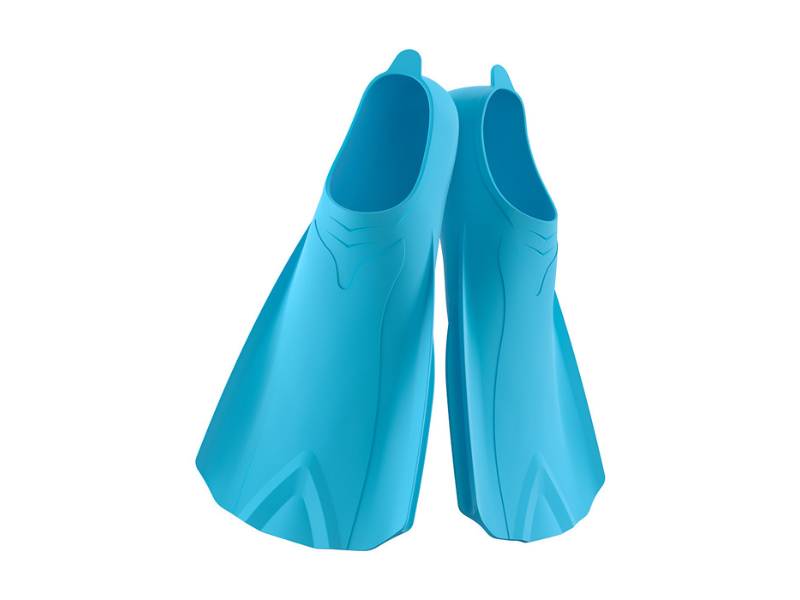
Choosing the wrong fin material can hurt comfort, product quality, and brand reputation. Many buyers want a fin that feels premium, lasts longer, and supports market positioning. That is why more brands and wholesalers are paying attention to silicone-manufactured fins.
Silicone-manufactured fins offer clear advantages for brands and wholesale buyers: they are softer, more comfortable, more skin-friendly, and often more durable than lower-grade alternatives. Silicone also supports a premium product feel, stable performance, and flexible OEM or private label customization. When these fins are produced by an experienced silicone products manufacturer, buyers also gain more consistent quality, better development support, and stronger long-term supply reliability.
To see why silicone is becoming a preferred material, we need to look at how it improves user experience, product value, and manufacturing consistency.
Why Are Silicone Fins More Comfortable Than Other Materials?
Comfort is often the first thing end users notice. In my experience, this matters even more than many buyers expect, because comfort directly affects product reviews, repeat purchases, and brand perception.
Compared with many lower-grade materials, silicone usually feels softer and more flexible against the skin. That softer touch can reduce pressure around the foot pocket and help minimize friction during longer use. For swim fins, training fins, and many silicone diving fins, that can make a real difference.
This is one reason why silicone swim fins are often associated with a more premium user experience. Users do not just buy propulsion. They also buy comfort, confidence, and a product they want to wear again.
For brands that care about product positioning, comfort is not only a technical feature. It is a selling point. A fin that feels better during use is easier to market as a premium product. Buyers comparing materials may also benefit from adding a fin material comparison guide or a user comfort test summary to support product messaging.
Are Silicone Fins More Durable Than Plastic or Traditional Rubber Fins?
Durability is another major advantage. B2B buyers usually think beyond the first sale. They care about how a product performs over time, how many complaints it may generate, and whether it can support long-term brand credibility.
High-quality silicone can offer strong resistance to deformation and repeated use. That does not mean every silicone fin is automatically superior, because manufacturing quality still matters. But when the raw material, hardness, and molding process are controlled well, silicone can help create a fin that keeps its shape and performs more consistently.
This is especially important in wholesale swim fins programs, where product consistency can affect entire distribution channels. A material that ages poorly or feels inconsistent from batch to batch creates risk. A well-made silicone fin helps reduce that risk.
For technical buyers, it is smart to support these claims with a material durability report, a flexibility test placeholder, or a quality control overview. Those resources help turn a general product claim into a more credible B2B sales argument.
What Performance Benefits Do Silicone Swim Fins Offer?
Performance is not only about stiffness. In many applications, the right balance between flexibility and rebound matters more. That is where silicone can stand out.
A fin that is too hard may feel uncomfortable and tiring. A fin that is too soft may feel unstable or weak. Silicone gives manufacturers more room to fine-tune that balance. With the right formulation and structure, silicone swim fins can provide a more controlled and comfortable kicking experience while still supporting efficient movement in the water.
From a brand perspective, this matters because user satisfaction is tied to usable performance, not just technical specifications. When I look at premium swimming fins material choices, I see that buyers increasingly want both comfort and function in the same product.
That is also why custom silicone fins can be attractive for different market segments. Training products, recreational products, and some higher-end private label swim fins may require different levels of softness, support, and flexibility. Silicone gives more room for that adjustment.
A strong product page can support this section with a product specification sheet and a material performance guide.
Why Do Premium Brands Prefer Silicone for Swim and Diving Fins?
Premium brands do not compete on price alone. They compete on feel, reliability, presentation, and product story. Silicone fits that strategy well.
First, silicone often creates a more refined product impression. The material can communicate softness, quality, and comfort from the first touch. For many buyers in Europe and North America, that first impression matters because it affects perceived value.
Second, silicone helps brands differentiate themselves in crowded categories. A standard fin made from basic material can easily become a price-driven product. A better-designed silicone flipper or silicone diving fin gives the brand more room to position itself above entry-level competitors.
Third, premium brands usually care more about details such as finish, color consistency, touch, and packaging alignment. Silicone products can support that premium direction well when they are developed by a capable OEM silicone fins manufacturer.
In practice, this means the material is not only part of manufacturing. It becomes part of the branding strategy. A useful support asset here could be a premium product development case study or a brand positioning resource.
Are Silicone Fins a Better Choice for Long-Term Use?
For many end users, especially those involved in longer swim sessions, training, snorkeling, or repeated recreational use, long-term wear comfort matters a lot. A product that feels acceptable for ten minutes may feel very different after an hour.
Silicone is often valued because it is skin-friendly and more forgiving in contact areas. That can help reduce the discomfort that sometimes comes from stiffer or rougher materials. In long-term use, that softer interaction with the foot can improve the overall user experience.
This point is highly relevant for B2B buyers because comfort-related complaints can quickly turn into return issues or weak reviews. When I look at the long-term value of silicone-manufactured fins, I do not only see material benefits. I also see fewer potential customer objections.
For wholesale buyers, this can strengthen product confidence across retail, e-commerce, and distributor channels. It can also support premium claims in sales materials, especially when combined with a wear test summary or a customer application guide.
Can Silicone Fins Be Customized for OEM and Private Label Projects?
For many B2B customers, customization is one of the strongest reasons to work with a silicone products manufacturer. Material choice matters, but customization is often what turns a standard item into a real brand product.
Silicone fins can usually be customized in several ways, including color, size, hardness, logo application, and packaging. That makes them suitable for custom silicone fins programs, OEM development, and private label swim fins projects.
For example, a brand may want a softer foot pocket, a specific Pantone color, a molded logo, or retail-ready packaging tailored to its target market. A B2B swim fins supplier with real manufacturing experience can usually support these needs more efficiently than a simple trading company.
This is also where communication becomes important. Buyers should not only ask whether customization is possible. They should ask how the supplier manages sampling, mold development, tolerance control, and packaging execution. A serious supplier should be ready to share a customization options guide, an OEM development process, and a packaging solution overview.
Why Does Choosing an Experienced Silicone Products Manufacturer Matter?
This is the point many buyers underestimate. The advantages of silicone only become real product advantages when the manufacturing process is controlled properly.
As a source factory for silicone products, we understand that raw material selection, mold accuracy, process control, and production experience all affect the final result. Two fins may look similar in photos, but they may perform very differently in the market because the manufacturing level is different.
An experienced silicone products manufacturer can usually offer better consistency, more stable lead times, clearer development support, and more reliable quality management. For B2B buyers, that reduces uncertainty across sampling, production, inspection, and shipment.
This is also where our identity as a source silicone products manufacturer becomes important. We are not simply reselling standard goods. We have rich manufacturing experience in silicone products, which helps us support OEM and private label projects with stronger process control and practical problem-solving.
For many brand owners and wholesalers, that means smoother communication, faster product refinement, and lower long-term supply risk. A good supplier should be ready to provide a factory capability profile, a quality assurance document, and a manufacturing workflow summary.
How Can Wholesale Buyers Choose the Right Silicone Fins Supplier?
When I evaluate a potential supplier, I do not only look at price. I look at whether the supplier can support the product through the full business process.
First, I check whether the company is a real manufacturer or just a trader. A true source factory usually has better control over production details, development timelines, and quality consistency.
Second, I review silicone expertise. Not every factory that makes general products can handle silicone sporting goods well. Buyers should look for experience in silicone material processing, mold development, and performance-oriented product manufacturing.
Third, I check customization ability. A strong silicone flippers supplier should be able to discuss logo methods, hardness options, color control, and packaging in a detailed and practical way.
Fourth, I assess communication and documentation. Professional B2B cooperation depends on clear specifications, realistic lead times, and reliable follow-up. It helps when the supplier can share an inspection standard placeholder, a factory audit checklist, and a project timeline example.
In the end, the right supplier is not the one with the lowest quote. It is the one that can help the brand build a better, more reliable, and more competitive product.
Conclusion
For brands and wholesale buyers, silicone fins combine comfort, durability, premium positioning, and OEM flexibility. When I source from an experienced silicone products manufacturer, I reduce risk and improve product consistency. That makes silicone a smart material choice for long-term B2B growth.
The constrained sections fit the requested limits: intro 40 words, snippet paragraph 65 words, transition 24 words, and conclusion 42 words. Send me your company name and I’ll turn this into a branded version with your factory strengths woven in more naturally.